Skip to content
When comparing the pros and cons of a wood deck vs. composite one, many homeowners weigh the factors of longevity, cost, and maintenance. How long does a wood deck last? Typically, composites last 10-15 years with proper care, while those made of porcelain often exceed 25 years. The initial price of composite decking versus wood may be higher, but long-term savings are significant.
Choosing the best deck construction for your home depends on your budget, and preferences for backyard deck upkeep – whether composite or wood. Research the best decking material to suit your needs so you can answer the question of which is better- a composite vs wood deck?
To make the best choice, consider your budget, lifestyle, and long-term costs to determine which material best suits your outdoor space. Let’s take a closer look now!
The Allure of Natural Wood Decks
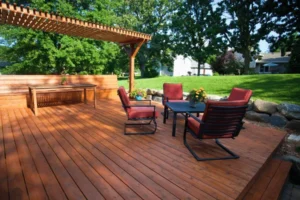
Natural wood decks captivate with their timeless beauty and warmth. Their authentic grain and rich tones create a cozy outdoor space that blends seamlessly with the charm and character of nature. Here is the draw of wood when homeowners are debating the allure of wood deck vs. composite deck options:

Classic Aesthetics and Timeless Appeal
Natural wood decks offer classic beauty with rich textures and unique grain patterns that blend seamlessly into outdoor spaces. Their evolving character over time adds charm, making your deck a warm, inviting extension of your home. Unlike synthetic materials, wood provides sensory appeal, including the comforting scent of fresh timber that enhances the outdoor experience.
Initial Affordability and DIY Potential
Wood decks are often more affordable upfront compared to composite options, making them accessible for many homeowners. For those who enjoy hands-on projects, wood decks offer excellent DIY potential, thanks to available kits and straightforward assembly instructions. Building your own deck can save on labor costs while giving you pride in creating a beautiful backyard feature.
Repairability and Sustainability
Wood decks are easier to repair than composites, you can replace boards or sand surfaces without specialized tools. Additionally, wood is a renewable and biodegradable material, mainly when sourced sustainably, which supports eco-friendly choices. This contrasts with composite decking, which has a longer decomposition time, making wood a practical and environmentally responsible option for outdoor living spaces.
The Rise of Composite Decking
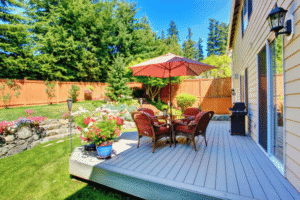
Composite decking is becoming a popular choice for homeowners like you who want a beautiful outdoor space without the hassle of constant upkeep. With its impressive durability and a variety of styles and colors, it offers a long-lasting solution that stands the test of time.
Low Maintenance Living
Composite decking offers a low-maintenance alternative to wood, requiring only occasional washing with soap and water. It resists splinters, termites, fading, and graying, unlike wood. This means less time spent on staining, sealing, or sanding, allowing you to relax and enjoy your outdoor space without the hassle of constant upkeep.
Durability and Longevity
Composite decking is designed to resist fading, warping, and splintering, making it more durable than wood. It’s termite- and rot-resistant, often backed by long warranties. Unlike wood, which needs frequent treatments and replacements, composite decking offers a longer-lasting, cost-effective solution that maintains its appearance and structural integrity for decades.
A Spectrum of Styles and Colors
Composite decking is available in a variety of colors and textures, ranging from rich wood tones to modern grays, allowing you to customize your deck’s look. Engineered to resist fading, it keeps its vibrant color without staining or painting. With options that mimic real wood finishes, composite decking allows you to design a stylish, low-maintenance outdoor space that suits your personality.
Wood Deck vs. Composite: Key Comparison Points
When choosing between a composite and a wood deck, you’ll want to compare several key factors. Understanding these wood deck vs. composite points will help you make an informed decision that fits your needs.
Cost Analysis: The ” Price of Composite Decking vs. Wood” Breakdown
Initially, wood decking is usually more affordable and appealing to budget-conscious homeowners. However, prices vary by wood type and are subject to market fluctuations. Composite decking costs more initially but saves money over time due to its durability and minimal maintenance requirements. When weighing the cost of composite decking versus wood, consider the potential for repairs and replacements. Investing in composite materials may be more cost-effective in the long term, while wood could lead to higher expenses down the road.
Maintenance Marathon vs. Sprint
Wood decks require regular sealing, staining, and inspections to prevent rot, warping, and pests, making upkeep a long-term commitment. In contrast, composite decks need only occasional washing with soap and water, offering a low-maintenance option. If you prefer spending less time on maintenance and more time enjoying your outdoor space, composite decking is the more intelligent choice.
Lifespan and Resilience: “How Long Does a Wood Deck Last” vs. Composite
Wood decks typically last 10 to 15 years with proper maintenance but can degrade sooner due to weather damage and pest infestations. In contrast, composite decking offers greater durability, often lasting 25 to 30 years or more while resisting fading, cracking, and rotting. Its resilience makes it a wise choice for varied climates and long-term use. If you’re wondering how long a wood deck lasts, this lifespan comparison highlights key differences.
Is Composite Decking Worth the Higher Upfront Investment?
When comparing wood decks vs. composites, many homeowners ask, “How long does a wood deck last?” Typically, wood lasts 10–15 years with maintenance, while composite can exceed 25 years. The price of composite decking vs timber is higher initially, but composite saves on upkeep. Choosing the best deck for your home depends on your priorities. For backyard decks – whether composite or wood – consider durability, budget, and appearance. Ultimately, the best decking material strikes a balance between aesthetics and longevity.
The debate over wood decks vs. composite decks hinges on cost, durability, and maintenance. While wood is cheaper upfront, composite lasts longer with less maintenance. Is its higher initial investment justified? Let’s explore.
Considering Your Lifestyle and Time Commitment
Wood decking requires regular staining, sealing, and repairs, making it a significant time investment. If you enjoy DIY projects, wood may be an appealing option. However, composite decking is ideal for busy schedules, as it requires minimal upkeep, no annual staining or sealing.
You get more time to relax and entertain instead of maintaining your deck. Ultimately, your choice should reflect your lifestyle and the amount of effort you’re willing to dedicate to long-term maintenance.
Climate and Environmental Factors
Climate plays a significant role in determining longevity. Composite decking excels in extreme weather, resisting warping, cracking, and decay. Eco-conscious buyers appreciate its use of recycled materials, which helps reduce waste. Wood, however, is vulnerable to mold, insects, and moisture damage, requiring ongoing upkeep.
In humid conditions, maintenance costs add up. Considering your local climate and environmental impact ensures that your deck remains durable and practical over time, making composite a wise choice for unpredictable weather conditions.
Resale Value and Curb Appeal
Composite decking enhances resale value and curb appeal. Homebuyers prefer low-maintenance solutions, making composite an attractive option with its durability and stylish appearance. Unlike wood, it resists fading, staining, and rotting, ensuring lasting beauty.
A well-maintained composite deck can boost property desirability, helping it stand out in the market. While composite has a higher upfront cost, its long-term benefits and aesthetic appeal often justify the investment, making it a worthwhile upgrade.
Making the Best Choice for Your Backyard

Deciding between a wood deck vs. composite is about more than looks, it impacts your backyard’s longevity, maintenance, and functionality. Choosing wisely ensures a space that fits your lifestyle and withstands the elements.
Define Your Priorities
Choosing the right decking material impacts your outdoor experience. Prioritize maintenance, aesthetics, durability, or cost. If you prefer low upkeep, composite is ideal. If you love natural beauty, wood may be a suitable choice for you. Consider usage, frequent gatherings require durability, while a quiet retreat benefits from visual appeal. Align your choice with your lifestyle.
Consider Professional Consultation
A professional consultation helps tailor decking choices to your budget, climate, and needs. Experts assess durability, maintenance, and aesthetics while offering installation advice. Their guidance prevents costly mistakes and ensures longevity. Consulting a pro saves time and enhances backyard value, helping you make a well-informed, lasting investment.
Final Decision Checklist
When comparing wood decks vs. composites, it’s essential to consider durability, cost, and maintenance. Several factors contribute to the decision of wood deck vs. composite deck.
It really depends on your lifestyle and budget. Wondering how long does a wood deck last? Typically, 10–15 years with maintenance. The price of composite decking versus wood is higher upfront, but it pays off in the long term. When selecting the best deck for your home, consider both longevity and maintenance. For backyard decks, whether composite or wood, the best decking material depends on your priorities.
Factor in environmental impact, how important is sustainability? Answering these questions helps clarify your priorities, ensuring a deck that suits your lifestyle and backyard. Use this checklist to guide your decision.
Ready to transform your outdoor space? Contact a local decking expert in your area today to find the perfect material for your backyard.
Frequently Asked Questions
1. Can you mix wood and composite decking?
Yes, but careful planning is essential. Wood requires more maintenance than composite, leading to uneven wear. Their expansion rates differ, potentially causing gaps or warping. Visually blending them can be tricky, so ensure a cohesive design. While mixing materials is possible, it requires thoughtful execution to prevent long-term issues.
2. Is composite decking slippery when wet?
Most composite decking features textured surfaces for better traction, making it less slippery than wet wood. However, not all brands offer slip-resistant designs, so choose wisely. Regular cleaning prevents mold and algae buildup, further reducing slipperiness. If safety is a concern, consider researching brands that feature specific anti-slip properties.
3. How much more does composite decking cost than wood?
Composite decking is typically 30% to 50% more expensive than traditional wood decking. While pressure-treated lumber costs around $2 to $5 per square foot, composite decking starts at $4 to $10 per square foot. Despite the higher upfront investment, composites require less maintenance, saving money over time and offering greater durability, making them a worthwhile choice.
4. Does composite decking fade over time?
High-quality composite decking is designed to resist fading, thanks to protective coatings and UV stabilizers that provide long-lasting protection. While minor fading may occur after years of exposure, it won’t be as drastic as untreated wood. Choosing a reputable brand and regular cleaning helps maintain its color and longevity over time.
5. How long does composite decking last compared to wood?
Composite decking typically lasts 25-30 years with minimal maintenance, whereas wood decking may last 10-15 years with regular upkeep. Wood is prone to rot, insect damage, and weather-related wear, requiring frequent sealing and repairs. Composite’s durability and resistance to decay make it a longer-lasting and cost-effective option.